

Summer in New Hampshire is bursting with life- and there’s no better way to help children connect to the land than by foraging together. Wandering forest paths or sunny meadows in search of berries, herbs, and edible plants is more than just gathering food: it’s a hands-on science lesson, a mindfulness practice, and a chance to build lifelong respect for the natural world.
In this entry, we’ll share safe, common plants to forage with kids during the summer months, along with tips for teaching them about plant identification, safety, and gratitude for the gifts of the land.
In this Entry:
- Why Forage with Kids?
- Safety and Respect in Foraging
- Easy-to-Learn Edible Berries
- Kid-Friendly Wild Greens and Herbs
- Tips for Teaching Plant ID
- Fun Ways to Use Your Foraged Finds
WHY FORAGE WITH KIDS?


Foraging is so much more than picking food. When you forage with children, you’re helping them:
- science in context- botany, ecology, and life cycles.
- observation skills and patience.
- respect for living things and sustainable harvesting.
- confidence and curiosity about their local environment.
- lasting memories outdoors.
It’s one of the best ways to nurture little naturalists- and to teach them they’re part of the land, not separate from it.
SAFETY & RESPECT IN FORAGING
Before heading out, have an age-appropriate talk about foraging rules:
- Always Be Sure:“If you don’t know it, don’t eat it.” Teach them that positive ID is essential.
- Harvest Lightly: Take only what you need. Leave plenty for animals and regrowth. A good rule of thumb is: harvest no more than 30% of a plant.
- Look Around You: Avoid busy roadsides, polluted soils, or sprayed areas.
- Check Rules: Some parks have limits on gathering.
- Thank the Plant: Model gratitude for the gift.
Foraging becomes a lesson in ethics and stewardship as much as botany.
EASY-TO-LEARN EDIBLE BERRIES
Berries are perfect for beginners—they’re fun to find, delicious, and easy to teach:
Blueberries (Highbush and Lowbush)
- Look for sunny clearings and edges of woods.
- Small, blue, frosted berries in tight clusters.
- Kids love spotting and filling a small cup!


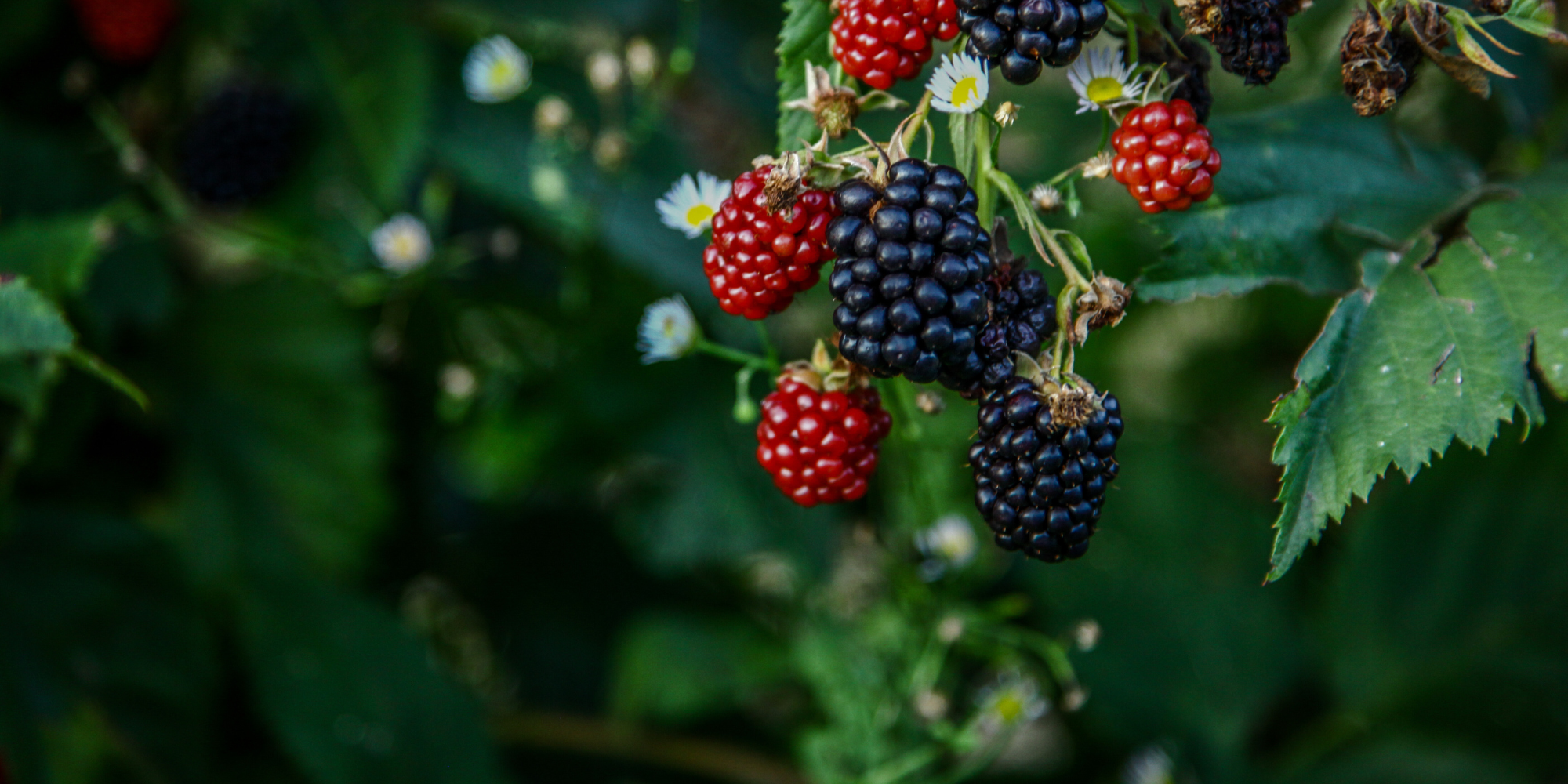
Blackberries & Raspberries
- Thorny canes with clustered, bumpy fruits.
- Ripen mid to late summer.
- Show kids how to look for the black gloss of ripeness (and watch for thorns!).
Teaching Tip: Bring a field guide or use an app to help kids compare look-alikes, and explain why you avoid anything you can't identify.

KID-FRIENDLY WILD GREENS AND HERBS
These safe, common plants make excellent teaching tools:
Wood Sorrel
- Heart-shaped clover-looking leaves with tiny yellow flowers.
- Tart, lemony taste- kids call it “nature’s sour candy.”
- Found in yards, woods, and fields.
Lamb's Quarters
- Dusty-looking green leaves with a silvery underside.
- Spinach-like flavor when young.
- Great for teaching leaf shape and texture.
Red Clover Blossoms
- Round, pinkish flower heads.
- Sweet, mild taste perfect for tea or nibbling raw.
- Teaches kids about pollinators and flower structure.
Teaching Tip: Always model checking for clean, unsprayed areas before picking. Let them help choose where to harvest!
Recommended Reading: Foraging in the Northeast
TIPS FOR TEACHING PLANT ID TO KIDS
Foraging is a chance to grow observation skills:
Slow Down: Look at leaves, stems, flowers, and surroundings.
Draw It: Nature journaling helps kids remember features.
Use Field Guides: Choose kid-friendly, photo-heavy options.
Ask Questions: “What shape is this leaf?” “How does it feel?”
Note the Habitat: Where does it like to grow? Sun? Shade?
Learning plants is like learning friends’ faces: it takes time, attention, and repeat visits.
FUN WAYS TO USE YOUR FORAGED FINDS
Make fresh berry snacks or freeze for later.
Brew herbal teas with clover or mint.
Add wild greens to salads or sandwiches.
Make pressed-flower art with non-edible blooms.
Create a foraging journal with notes, drawings, and recipes.
Bonus: Let kids invent a “forest café” meal with what they gathered (supervised, of course!).
Foraging with children is more than gathering food- it’s building a relationship. By teaching them to identify, respect, and celebrate the plants around them, you’re giving them a gift that lasts a lifetime: a sense of belonging in nature.
So this summer, grab a basket, a field guide, and your sense of wonder- and head outside to see what the New Hampshire landscape has to offer.
Happy foraging!